
Residential Solar Has Changed. Here's What Works Now.
The residential tax credit for owning solar is gone. But homeowners can still pay less for power through a Power Purchase Agreement, with zero upfront cost and savings that start on day one.
For California homeowners navigating NEM 3.0 and rising utility rates from providers like SDG&E, SCE, and PG&E, traditional solar ownership no longer works the way it once did.
How Power Purchase Agreements Work
A Power Purchase Agreement (PPA) is a contract where a third party owns and operates a solar system on your roof. You pay only for the power the system produces, at a rate typically lower than your utility.
Power Purchase Agreements (PPAs), also known as Third-Party Ownership (TPO), allow homeowners to buy solar power at a lower fixed rate without owning the system.
What You Get
- Lower power rate than your current utility rate
- Fixed escalator (typically 2-3% vs utility's 5-6%)
- Zero upfront cost
- Savings that begin once the system is activated
- No responsibility for repairs or maintenance
What We Handle
- System design and installation
- All permits and utility coordination
- Ongoing monitoring and maintenance
- Equipment warranties and service
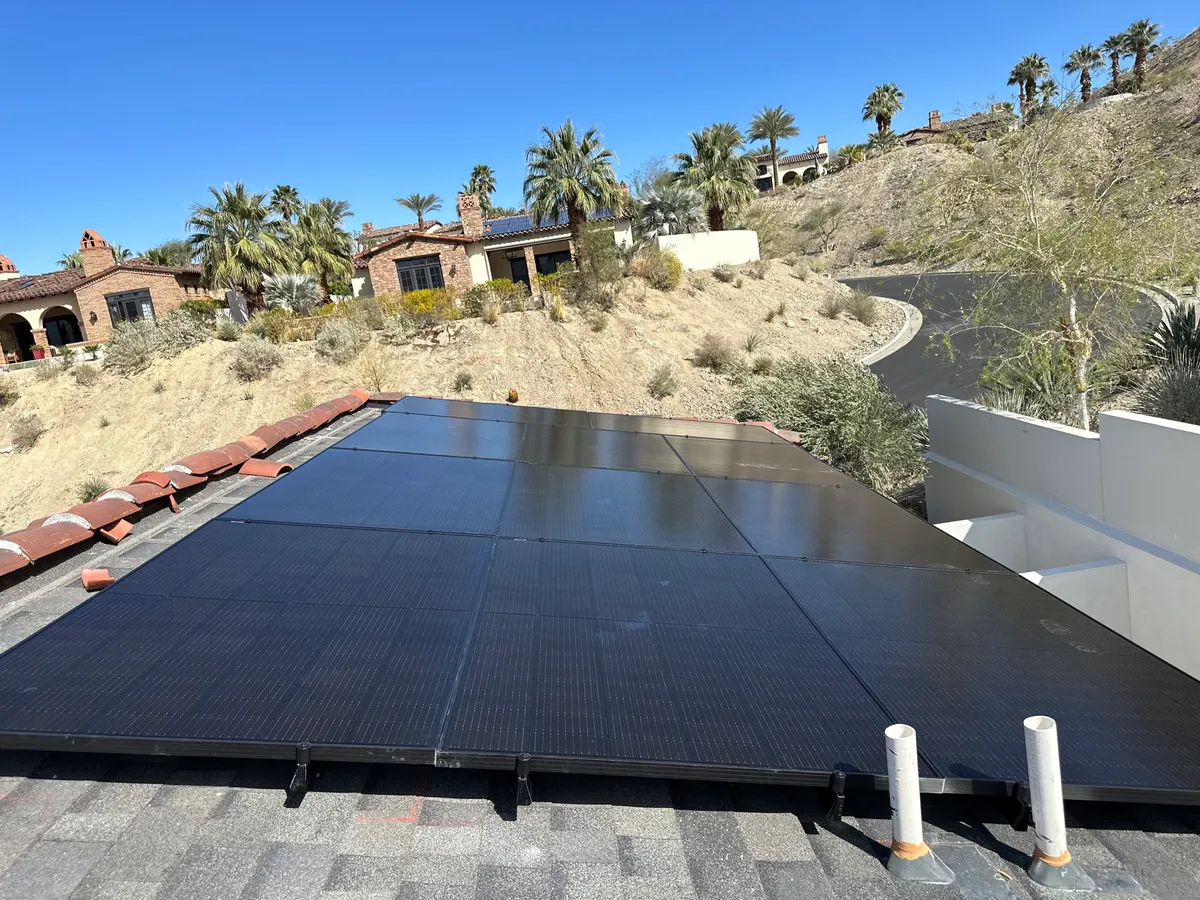
Ownership vs Power Purchase Agreement
Both options can work. The right choice depends on your goals, budget, and whether you want to own the asset or simply pay less for power.
Own Your System
- You own the system outright
- Longer payback period without the residential tax credit
- You are responsible for maintenance, monitoring, and repairs
- May be preferred by homeowners who value asset ownership
Power Purchase Agreement
- Third party owns and maintains the system
- You pay for power at a rate lower than the utility
- Savings begin immediately with no upfront investment
- No maintenance burden for 25+ years
Under California's NEM 3.0 billing structure, longer payback periods have made ownership less attractive for many homeowners compared to PPAs (TPO).
What Is NEM 3.0 (Net Billing Tariff)?
California's Net Billing Tariff (NEM 3.0) fundamentally changed how residential solar savings are calculated.
NEM 3.0, also called the Net Billing Tariff (NBT), is California's current solar compensation structure. Under NEM 3.0, homeowners receive credits for excess solar energy exported to the grid, but those credits are often far lower than retail electricity rates. This makes self-consumption and battery storage more important for maximizing savings.
How NEM 3.0 Works
- 1 Self-consumption matters more. Using solar power directly in your home delivers the highest value.
- 2 Export credits vary by time and season. Excess energy sent to the grid is credited at rates that fluctuate based on demand, often far lower than retail rates.
- 3 Time-of-use rates increase peak-hour costs. Electricity costs more during evening peak hours when solar is not producing.
- 4 Batteries improve savings. Storing excess energy for later use instead of exporting it at a discount maximizes the value of your solar system.
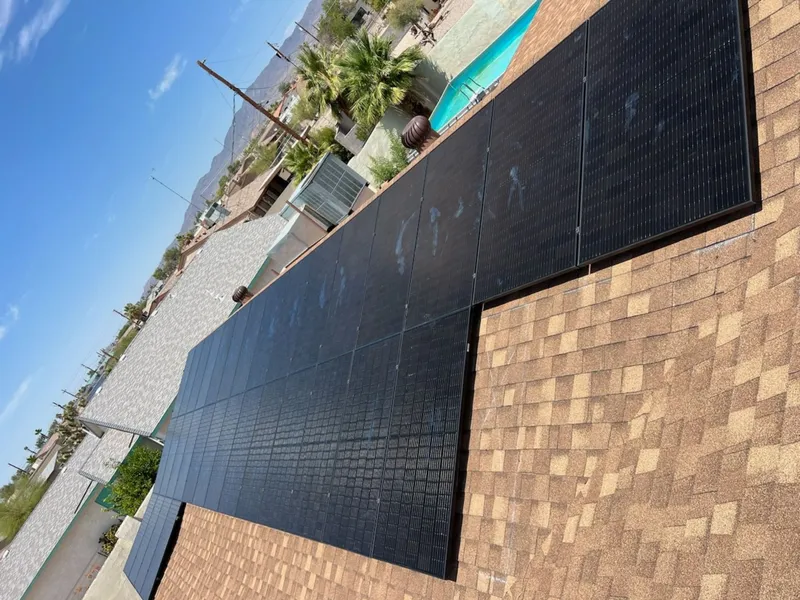
Why Batteries Matter Under NEM 3.0
Under NEM 3.0, exporting excess solar to the grid is credited at rates far lower than retail. Batteries allow you to store that energy and use it during expensive peak hours instead of selling it at a discount. For most homeowners, batteries are now primarily a bill savings tool. Backup power during outages is a secondary benefit depending on system design.
Why PPAs Can Still Offer Savings
PPA providers aggregate residential systems into commercial portfolios, allowing them to capture federal tax credits that are no longer available to individual homeowners. These savings are passed to you as a lower power rate.
Commercial entities can still claim tax credits on solar portfolios through the end of 2027. This allows third-party owners to offer homeowners power rates lower than utility rates, even without a direct tax credit to the homeowner.
Under NEM 3.0, PPAs that include battery storage can further improve savings by reducing grid exports and shifting consumption to high-cost peak hours.
Because PPA (TPO) systems are aggregated and treated similarly to commercial projects, providers can still access incentives that individual homeowners in California cannot.
Frequently Asked Questions
Did residential solar tax credits go away?
Yes. The federal Investment Tax Credit (ITC) for residential solar ownership is no longer available for homeowners purchasing systems outright. However, commercial entities can still claim tax credits on solar portfolios through the end of 2027, which allows third-party owners to pass savings to homeowners through Power Purchase Agreements.
Can I still own my solar system?
Yes, residential solar ownership is still possible. You can purchase a system outright or finance it. However, without the residential tax credit, the payback period is longer. Ownership may still make sense for homeowners who prioritize asset ownership, plan to stay in their home long-term, or prefer full control over their energy system.
What is a Power Purchase Agreement (PPA)?
A Power Purchase Agreement is a contract where a third party installs, owns, and maintains a solar system on your property. You pay only for the electricity the system produces, typically at a rate lower than your utility. There is no upfront cost, and the system owner handles all maintenance and repairs for the life of the agreement.
A Power Purchase Agreement (PPA) is a solar financing arrangement where a third party owns the system on your roof and sells you the power it produces at a fixed rate lower than your utility, with no upfront cost to you.
Why is a PPA cheaper than owning right now?
PPAs are often more cost-effective because the third-party owner can aggregate residential systems into commercial portfolios and claim federal tax credits that are no longer available to individual homeowners. These savings are passed to you as a lower power rate.
Who owns and maintains the system in a PPA?
In a PPA, the third-party provider owns the solar system and is responsible for all maintenance, monitoring, and repairs. As the homeowner, you simply pay for the power the system generates. You have no ownership stake in the equipment and no maintenance responsibility.
How much can homeowners save with a PPA?
Savings vary based on your current utility rate, system size, and local solar production. Most PPA customers pay a power rate lower than their utility with a smaller annual escalator. Results depend on individual circumstances, so we recommend a personalized quote to see your specific numbers.
Actual savings depend on utility rates, system performance, and agreement terms. No savings are guaranteed.
Does this work with SDG&E, SCE, or PG&E?
Yes. PPAs (Third-Party Ownership) are designed around California utility rate structures, including time-of-use pricing under NEM 3.0.
Do I need a battery with a Power Purchase Agreement (PPA)?
Not always, but a battery often improves savings under NEM 3.0. Without a battery, excess solar is exported to the grid at rates lower than retail. A battery stores that energy for use during peak hours when electricity costs more. Whether a battery makes sense depends on your usage patterns, rate plan, and goals. Backup power is a secondary benefit and varies by system configuration.
Have more questions? Visit our solar resources or contact us.
Check If Your Home Qualifies
Submit this form to see if your home qualifies for a zero-cost power agreement and what rate options are available. No obligation, no pressure.
Request Your Free Quote
We'll review your home, check eligibility, and provide a personalized rate comparison within 24-48 hours.
Thank You!
We've received your request and will be in touch within 24 hours.
Or call now: (949) 877-8008Prefer to talk?
(949) 877-8008Keen Energy is a licensed C-10 electrical contractor (CSLB #1137888) serving Southern California.
View our recent projects.